

Not all industrial blades used in machinery are available in standard specifications. Depending on the machine model, blades may require different dimensions, mounting holes, or installation methods. Some applications may also require special tooth profiles, cutting edge angles, or custom dimensions to meet specific production requirements. In these cases, businesses often need to work with an industrial blade manufacturer forcustom industrial blade manufacturing.
When requesting a quote for custom blades for the first time, many customers have similar questions: What information should be provided? Is a blade photo sufficient for an initial quote? Can a blade be manufactured without the original technical drawing? What if the blade material is unknown?
Preparing a complete engineering drawing is not always necessary at the initial inquiry stage. Providing the blade's appearance, basic dimensions, machine information, and application requirements can help the manufacturer understand the specifications and determine what additional details may be needed.
016 Key Details to Prepare for a Custom Blade Quote
Different types of industrial blades require different specifications. For example, straight blades, circular blades, serrated blades, perforating blades, and special profile blades may have different dimensional and machining requirements. Regardless of the blade type, the following six categories of information are useful to prepare before requesting a quote.
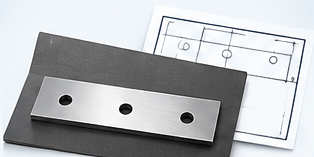
Blade Photos or Technical Drawings
Provide front, back, and side views of the blade, along with close-up photos of the cutting edge. CAD or PDF drawings can also be provided if available.
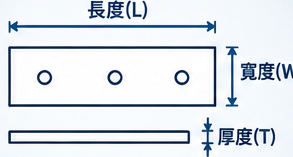
Dimensions and Specifications
Prepare the blade's length, width, thickness, hole diameter, hole spacing, and any special dimensions such as tooth pitch and tooth height.
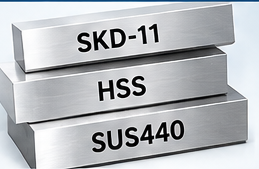
Blade Material
Provide the known material specification or describe current blade performance issues, such as premature dulling, chipping, or corrosion.
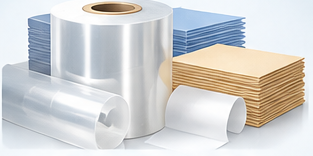
Processed Materials and Applications
Specify the material being processed, its thickness, the processing method, and any special cutting or surface requirements.
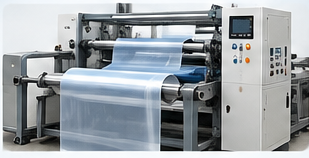
Machine and Equipment Information
Provide the machine brand, model, blade installation position, and mounting method. Photos of the equipment can also be included if necessary.
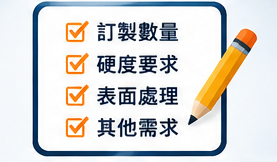
Order Quantity and Special Requirements
Specify the estimated order quantity and any special requirements, such as tooth profiles, hardness, heat treatment, or surface treatment.
1. Blade Photos or Original Technical Drawings
If you currently have a blade in use, we recommend taking clear photos from multiple angles, including the front, back, and side views, as well as close-ups of the cutting edge, mounting holes, and any special structural features. If CAD, PDF, or other engineering drawings are available, please provide them as well.
Photos help identify the blade's appearance and structure, while technical drawings provide more precise information about dimensions, hole positions, and machining details. If no drawings are available, the existing blade and photos can still serve as a starting point for an initial discussion.
2. Blade Dimensions and Specifications
Dimensions are essential for custom blade manufacturing. We generally recommend providing the blade's length, width, thickness, hole diameter, hole spacing, and any special dimensions such as tooth pitch, tooth height, notch depth, or cutting edge angle. For circular blades, the outer diameter, inner diameter, thickness, and center bore specifications should also be confirmed.
You do not need to measure every dimension yourself before making an inquiry. However, the more information available at the beginning, the easier it is to clarify specifications and reduce follow-up time.
3. Blade Material or Existing Material Information
Different applications require different blade materials. If you know the material used in your existing blade, please provide the specification. If the material is unknown, you can describe any performance issues, such as the cutting edge becoming dull too quickly, chipping after a period of use, or corrosion under operating conditions. The manufacturer can then evaluate the material and heat treatment requirements based on the actual application.
4. Processed Materials and Applications
Even when using the same type of cutting blade, the required cutting edge characteristics may vary depending on whether the blade is used to cut plastic film, paper, rubber, or metal. When requesting a quote, please specify the material being processed, its thickness, the processing method, and any special cutting or surface finish requirements.
Understanding what the blade needs to cut is often more helpful for evaluating the right manufacturing approach than simply knowing what the blade looks like.
5. Machine and Installation Information
Custom industrial blades generally need to fit existing machinery. We recommend providing the machine name or model, brand, blade installation position, mounting method, and operating conditions, if known. If you are unsure of the machine model, photos of the blade installation area and surrounding structure can also be helpful.
6. Order Quantity and Other Special Requirements
When requesting a quote, please indicate the estimated order quantity, such as the number of samples required, a small production run, or anticipated future volume orders. If you have special requirements involving tooth profiles, hardness, heat treatment, surface treatment, or improvements to the service life of an existing blade, please include these details as well.
02Can Industrial Blades Be Custom-Made Without Technical Drawings?
Yes. You can start by providing photos of the existing blade and any known dimensions for an initial evaluation. Many factories have used the same blades for years, and the original drawings may have been lost or may no longer be available from the original manufacturer. In these situations, the following information can help:
- Provide the existing blade:This allows the manufacturer to inspect its overall shape, thickness, mounting holes, and cutting edge structure.
- Take photos from multiple angles:Photograph the front, back, and side views, as well as close-ups of the cutting edge. Placing a ruler next to the blade can also help indicate its size.
- Provide photos of the blade installation area:These help clarify the blade's mounting position and surrounding machine structure.
- Provide a hand-drawn sketch:Mark the length, width, thickness, hole positions, and any special shapes. This can serve as a reference for the initial discussion.
034 Common Details to Check Before Requesting a Custom Blade Quote
1. Providing Only Photos Without Actual Dimensions
Photos can show the blade's shape, but they cannot accurately confirm its thickness, hole diameter, or hole spacing. If possible, measure the overall length, width, and thickness, and indicate the positions of the mounting holes.
2. Specifying the Material Without Explaining the Application
Specifying a particular steel grade does not necessarily mean it is suitable for your operating conditions. Without information about the processed material, operating speed, and forces acting on the blade, it can be difficult to determine whether the material or heat treatment needs to be adjusted.
3. Not Explaining Existing Blade Performance Issues
If you are ordering a replacement because the existing blade does not last long enough, describe the actual problems, such as rapid edge dulling, burrs during cutting, blade chipping, or corrosion. This information helps identify whether the issue may be related to the material, heat treatment, blade design, or machine operating conditions.
4. Failing to Confirm Mounting and Fit Dimensions
Even if two blades look similar, that does not mean they are interchangeable. Hole positions, mounting methods, thickness, and the dimensional fit between the blade and the machine must all be confirmed before manufacturing.
04Custom Blade Quote Checklist
If you are preparing to contact an industrial blade manufacturer for a quote, you can use the following checklist to organize the required information. You do not need to have everything ready at once. Start with the details you already know and provide additional information as needed.
| Inquiry Item | Recommended Information |
|---|---|
| Blade Type | Straight blades, circular blades, serrated blades, perforating blades, or other special-purpose blades |
| Blade Photos | Front, back, and side views, plus close-up photos of the cutting edge |
| Dimensions | Length, width, thickness, hole diameter, hole spacing, and other special dimensions |
| Blade Material | Known material specifications or current operating conditions and performance issues |
| Processed Material | Plastic, paper, rubber, metal, or other materials, including material thickness |
| Machine Information | Machine name, brand, model, and blade installation method |
| Special Requirements | Tooth profile, cutting edge design, hardness, heat treatment, or surface treatment |
| Order Quantity | Sample quantity and estimated order quantity |
05Custom Blade Quote FAQs
Q1: Can I request a custom blade without the original technical drawing?
Yes. You can initially provide photos of the existing blade, basic dimensions, and machine information for evaluation. If you still have the old blade, providing the physical sample can also help the manufacturer confirm its specifications.
Q2: Do I need to specify the material when ordering a custom blade?
No. If you are unsure which steel grade is suitable, you can provide information about the processed material, operating environment, and any current blade performance issues. The appropriate material can then be evaluated based on your actual requirements.
Q3: Can I get a quote by providing only photos?
Photos can help with an initial assessment of the blade's appearance and structure. However, dimensions, material, application requirements, and order quantity will usually need to be confirmed as well. Additional drawings or a physical sample may be required for blades with special hole positions or tooth profiles.
Q4: Can industrial blades with special dimensions be custom-made?
Special dimensions, hole positions, tooth profiles, and irregular shapes can all be submitted for evaluation. Actual manufacturing feasibility depends on the blade structure, machining accuracy, material, and production process requirements.
Q5: Do I need to provide the order quantity when requesting a quote?
Yes, providing an estimated quantity is recommended because it may affect material preparation, production scheduling, and the quoting process. If you are still evaluating your requirements, you can provide an estimated range for sampling or future production orders.
This article provides general information about industrial blade inquiries. Final manufacturing specifications must be evaluated and confirmed based on the blade design, machine conditions, processed materials, and mutually agreed requirements.

